
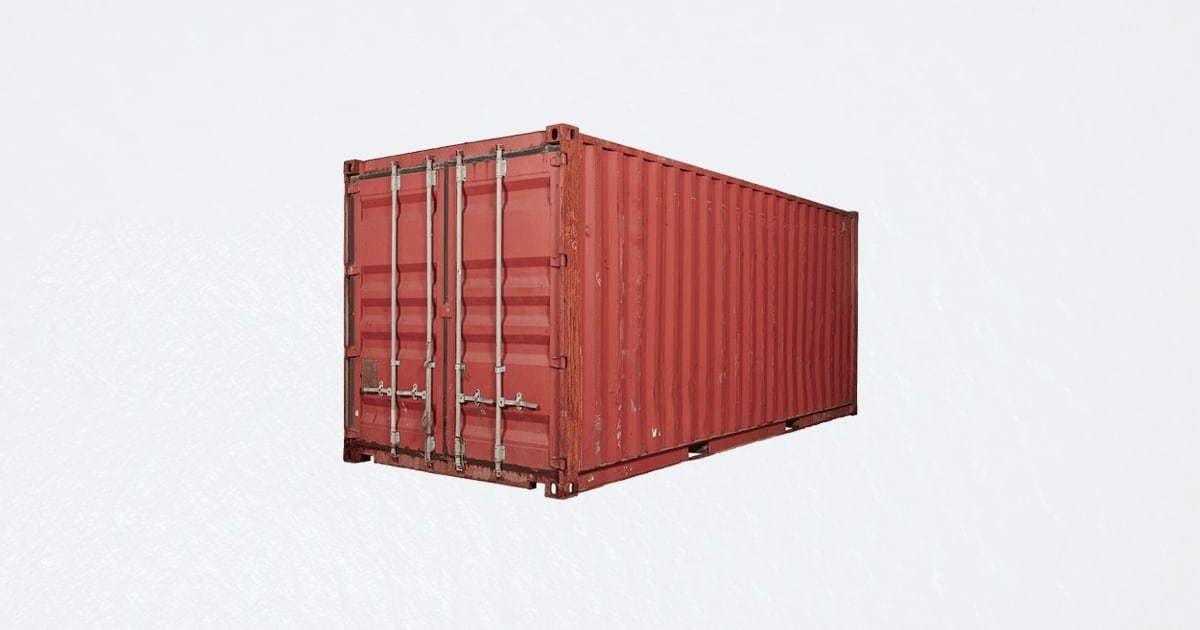
We are often asked why one used container differs from another, and what "conditions" or A, B and C classes mean. When buying a container you meet a lot of abbreviations - WWT, CW, IICL, CSC, ACEP - and it can all seem complicated. In fact it is quite simple. This article explains used container grades.
The main abbreviations
- IICL - the Institute of International Container Lessors, which brings together the largest container and chassis leasing companies. IICL sets the repair standards that containers are repaired to when they go on lease. IICL is the strictest standard for used containers.
- CW (Cargo Worthy) - the container is fit to carry cargo under TIR, UIC and CSC requirements and its original specification. A CW container usually has a valid CSC plate. This condition can be confirmed by an independent surveyor after inspecting the container.
- WWT (Wind & Water Tight) - the container keeps out wind and water: it is sealed and lets no light in through the doors or the roof. Without a surveyor's approval and a valid CSC plate it is not meant for shipping cargo, so WWT is normally used for storage containers. If a WWT container has a valid CSC plate, it is a CW container.
- CSC - the International Convention for Safe Containers, adopted in December 1972. Its aims are to protect human life when containers are transported and handled, and to make international transport easier through common safety requirements. The convention makes the owner responsible for keeping the container safe and for regular inspections.
- ACEP - the Approved Continuous Examination Programme that container owners use to check the condition and maintenance of their containers. While a container is in an ACEP programme, a separate CSC re-inspection is not needed. When the container is sold and leaves the programme, it needs a CSC inspection before it can ship cargo again, and that approval has an expiry date.
- ISO - the International Organization for Standardization in Geneva, which develops technical standards, including those for building shipping containers.
Grades at a glance
| Grade | What it means | For shipping cargo | Best for |
|---|---|---|---|
| New (one-trip) | one voyage only, near-perfect | yes | shipping, homes, offices, long use |
| IICL | repaired to the strictest standards | yes | shipping and storage |
| CW | fit for cargo, usually with a CSC plate | yes | shipping and storage |
| WWT | wind and watertight | no, without a valid CSC plate | storage |
What A, B and C classes mean
Many companies give their containers classes such as A, B and C. It is important to know that this is the company's own system, not an international standard. If two companies sort containers into A, B and C, their groups are not necessarily the same. These classes also usually describe appearance - scratches, dents, paint - rather than structural quality. So always ask about the CW or WWT grade and the CSC plate as well.
Tips for buying a used container
- tell the seller exactly what you need the container for - storage or shipping;
- ask which documents you will receive and whether the container has a valid CSC plate;
- check whether the container has been customs cleared;
- look at photos of the doors, roof, floor and walls.
Then the container will serve you for a long time and you will be happy with your purchase. Inspected used containers with photos and descriptions are listed under Used shipping containers and Containers in stock.